Do You Need a Roof Repair or a Full Replacement?
Full Article
This is the question we get asked more than any other, and the honest answer is that you can't tell from the ground. Missing shingles don't automatically mean a tear off, and a roof with no visible damage can still be at the end of its life.
What matters is the condition of the roof as a system: the shingles, the underlayment, the flashing at every junction, the deck underneath, and the ventilation in the attic. A leak is a symptom. The job of an inspection is to figure out which part of the system produced it.
Here's the practical distinction. A repair makes sense when the roof has remaining service life and the failure is localized. Replacement makes sense when the material is at the end of its life, when there are multiple failure points, or when the deck underneath has been compromised.
Getting this wrong costs money in both directions. Replacing a roof with ten good years left wastes thousands. Repairing a roof that's finished means paying twice within two seasons.
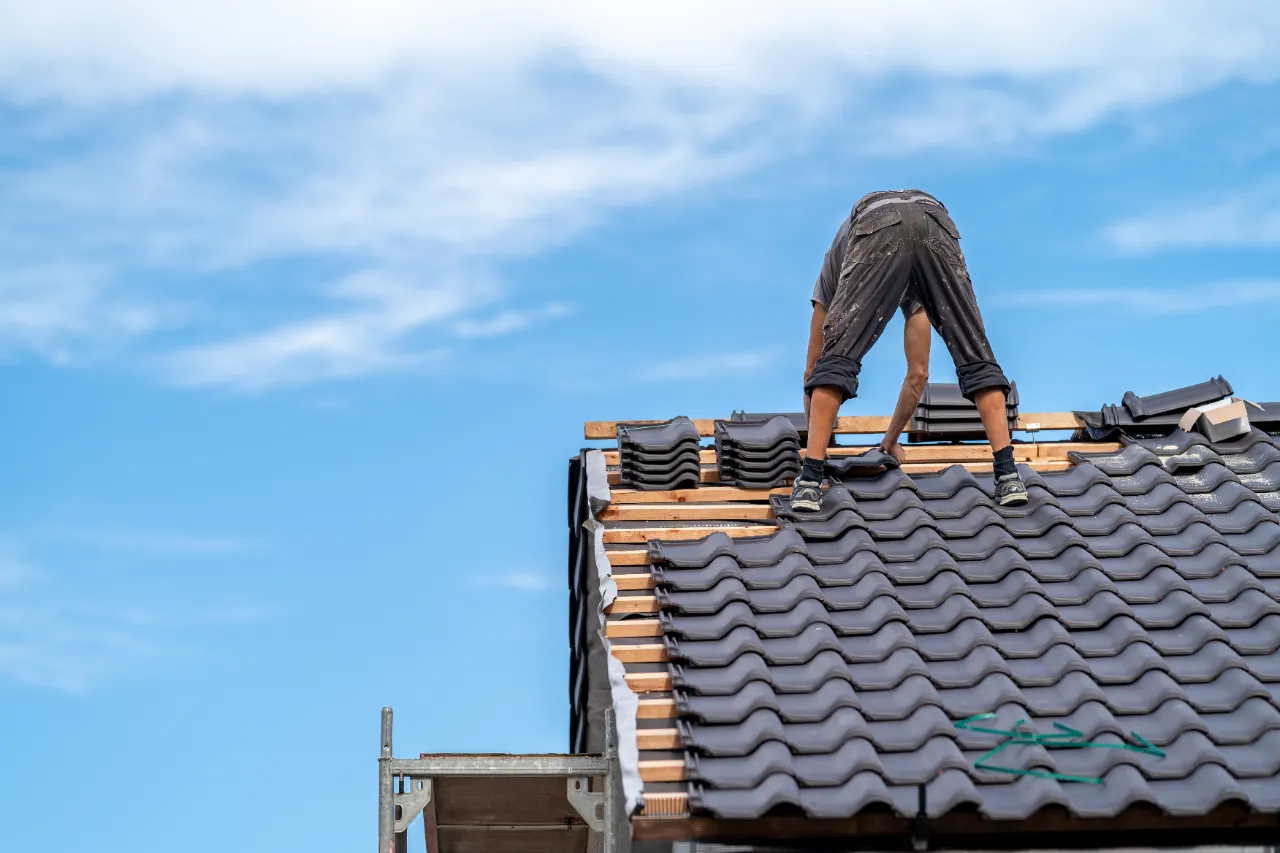
Signs That Point Toward Replacement
Age is the first thing to check. Asphalt has a finite service life, and once a roof is past roughly twenty years the material itself is spent regardless of how it looks.
Granules collecting in your gutters are a reliable indicator. Those granules are the shingle's UV protection. Once they're gone, the asphalt underneath degrades quickly.
Curling, cupping, or shingles that have gone brittle mean the material has lost its flexibility. Those won't seal back down and they lift in wind.
Multiple leaks in different areas point to systemic failure rather than one bad spot. And if there are already two or more layers on the roof, replacement is generally the right call because nobody can assess the deck without tearing off anyway.
Signs That Point Toward Repair
A single leak on a roof that's otherwise in good shape is a repair, full stop. That's especially true when the leak traces to flashing rather than to the shingles themselves.
Flashing failures at chimneys, skylights, valleys, and dormer sidewalls cause the large majority of roof leaks we see in New York. Flashing is a separate component with its own lifespan, and it frequently fails long before the shingles do. Correcting it is a fraction of a replacement cost.
Storm damage confined to one section is also usually a repair, provided the rest of the roof is sound and the shingles are still available in a matching profile. Wind damage from a single event doesn't mean the whole roof is finished.
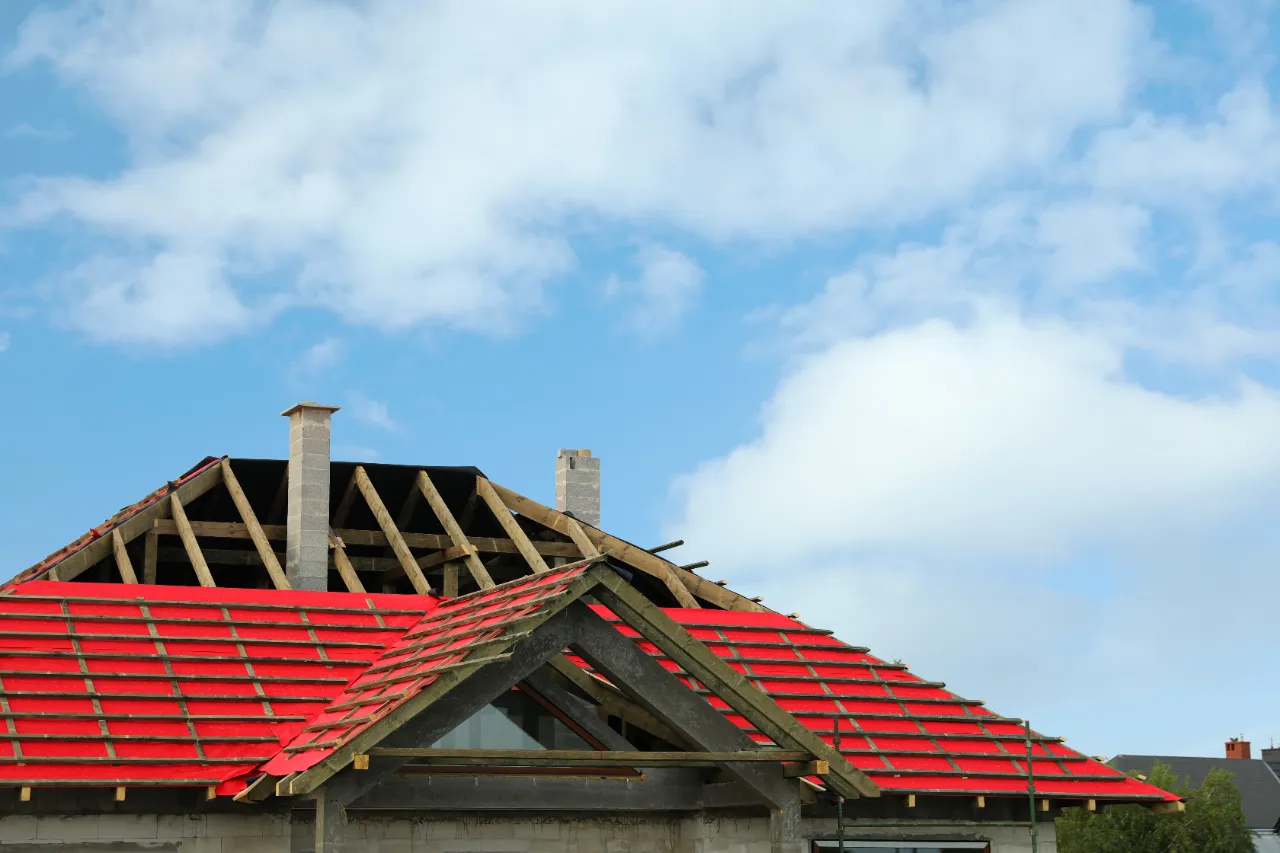
Slate Is a Different Conversation Entirely
If you have a slate roof, the calculus changes completely. Slate lasts far longer than any other roofing material, often outliving several generations of owners.
When a slate roof leaks, the slate almost never turns out to be the problem. The copper flashing around it is. Copper has a long life but not an unlimited one, and valleys and chimney flashing wear out while the tile above them is still perfectly sound.
We see slate roofs in Westchester and Greenwich that get quoted for full replacement when what they actually need is flashing restoration and a few dozen individual tiles. That's a fraction of the cost, and it buys decades. Anyone recommending tear off on a sound slate roof should be asked to explain exactly why.
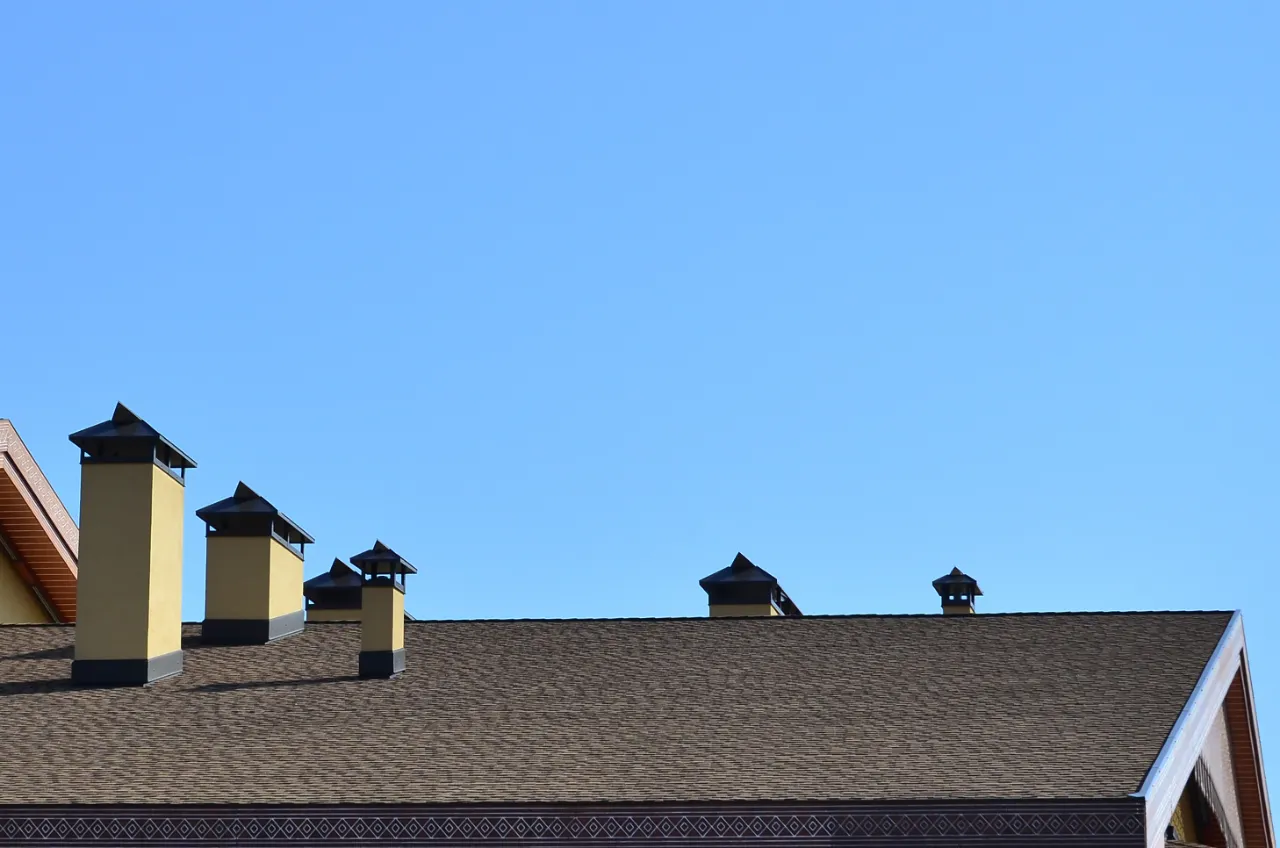
What an Honest Inspection Looks Like
It starts in the attic. Daylight through the sheathing, water staining on the underside of the deck, frost in winter, and compressed or wet insulation all tell you things you cannot see from above.
Then the roof itself. Not just the leak area, the whole surface. Shingle flexibility, granule loss, and whether the adhesive seals are still bonded. On Long Island especially, wind commonly breaks seals on shingles that are still physically in place.
Then the junctions. Chimney, skylights, valleys, sidewalls, and vent penetrations, one at a time.
You should get a written assessment with photos of what was found, and a clear statement of which option is recommended and why. If the recommendation is replacement, ask what specifically rules out repair.
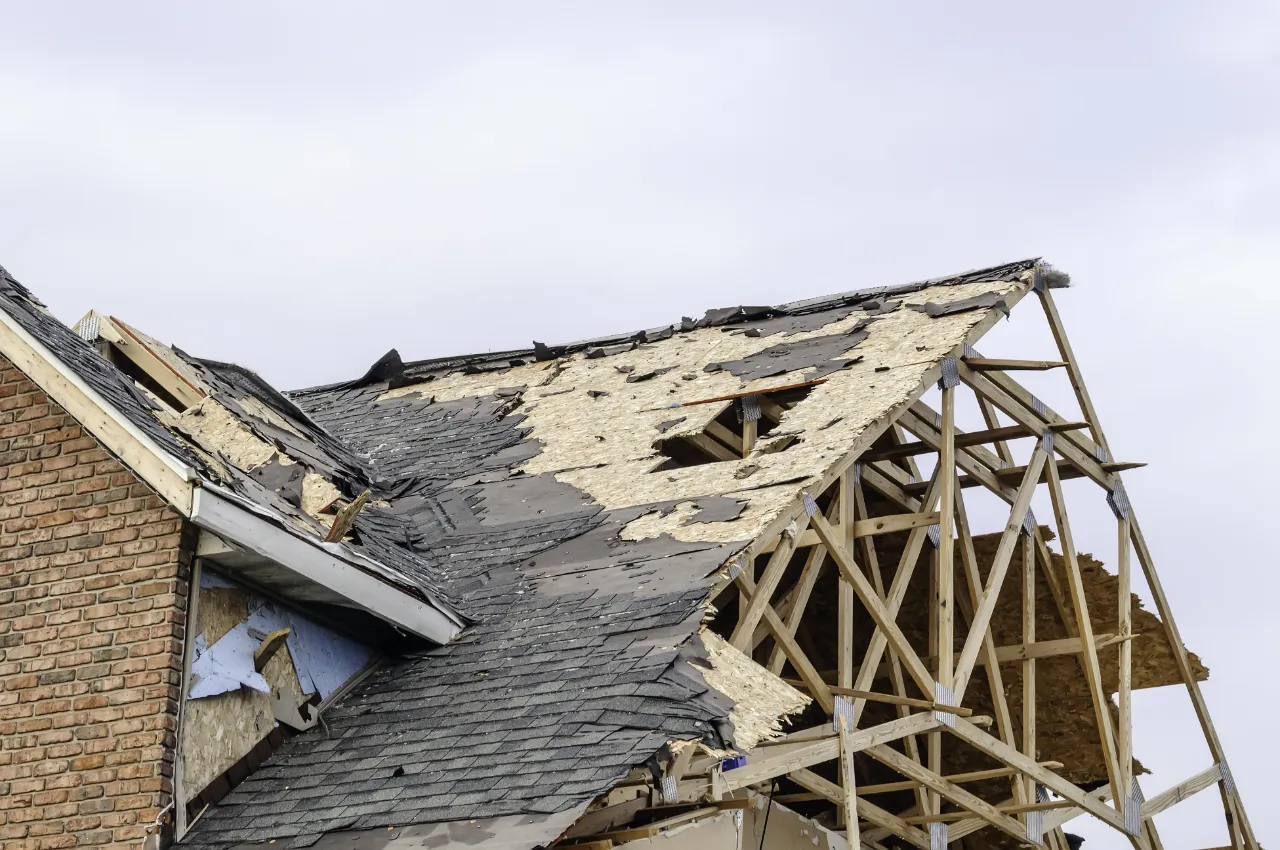

Get Your Free Roof Assessment in New York
We inspect the attic, the surface, and every junction, then tell you plainly whether you need a repair or a replacement.
Request Your Free Estimate
No obligation. We respond within 2 hours.