Vinyl or Fiber Cement Siding: Which Holds Up Better in New York?
Full Article
If you're replacing siding, this is usually where the decision lands. Both materials work in New York, both are installed constantly here, and both will outlast whatever's currently on your house. The difference is in cost, maintenance, and how each one ages.
We'll say up front that we install both, so we don't have a preferred answer. What we do have is a fairly consistent view of who each one suits.
Vinyl costs less, installs faster, and never needs painting. Fiber cement costs more, takes longer to install, holds paint remarkably well, and handles impact far better.
The honest tiebreaker is usually how long you plan to stay. If you're selling within five years, the math favors vinyl. If this is where you're staying, fiber cement generally comes out ahead on total cost over the life of the material, and it looks better doing it.
Here's the detail behind that.
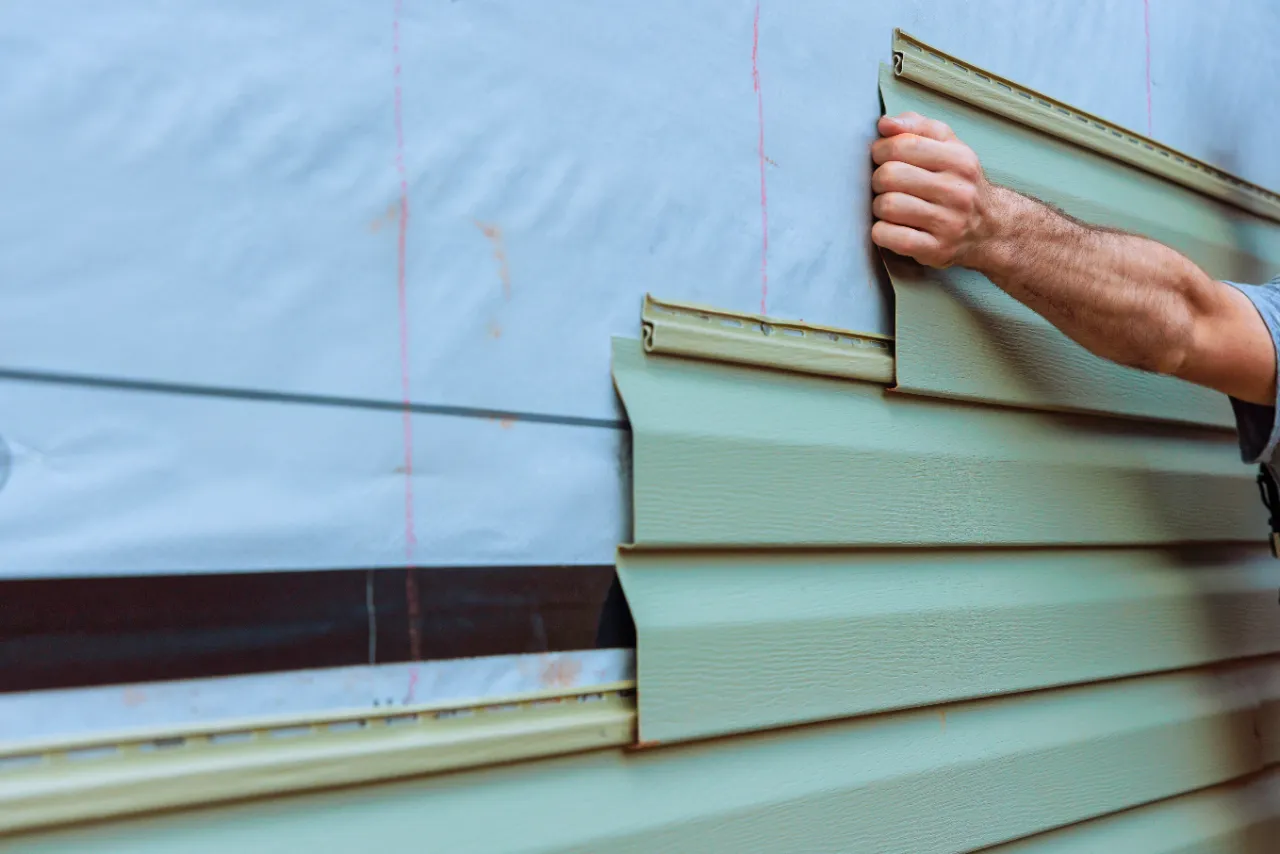
Cost: Up Front and Over Time
Vinyl is meaningfully cheaper on both material and labor. It's lighter, it cuts fast, and one crew moves through an elevation quickly. That's a real advantage and it's why vinyl dominates the market.
Fiber cement costs more on material, and it costs more on labor because it's heavy, it requires specific cutting methods, and it takes longer to hang.
Over time the picture shifts. Vinyl never needs painting, which is a genuine saving. But vinyl also fades, and faded vinyl can't be restored, only replaced. Fiber cement needs repainting periodically, but it holds paint for a long stretch and the surface can be refreshed indefinitely.
We won't put numbers on this because pricing moves and every house is different. Your written estimate will show both if you want the comparison.
How Each One Handles New York Weather
Both handle cold fine. The differences show up elsewhere.
Vinyl expands and contracts noticeably with temperature. That's why it's hung loose with expansion gaps rather than nailed tight. Done correctly it's a non issue. Done incorrectly the panels buckle and wave, which is the single most common vinyl complaint we see, especially on seasonal homes near Carmel that swing between unheated and hot.
Vinyl also gets brittle in deep cold and can crack on impact, which matters on properties where snow slides off a roof onto a wall.
Fiber cement doesn't move much and doesn't get brittle. It handles hail, ladders, and stray baseballs considerably better. On coastal Long Island exposure, it also stands up to wind driven rain well when properly detailed.
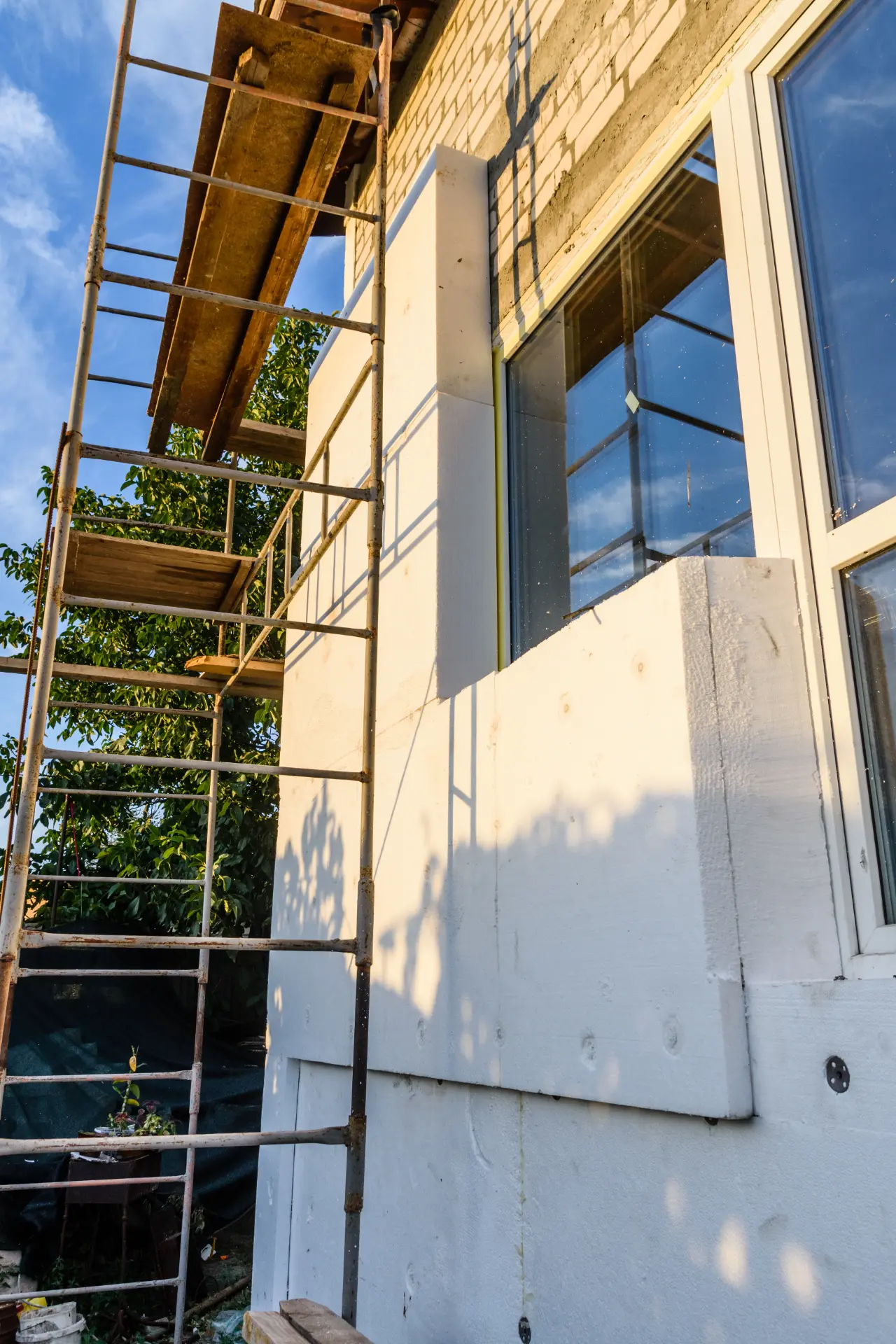
Appearance, Now and in Ten Years
New vinyl looks good. The better product lines have convincing texture and reasonable color depth, and from the street the difference isn't dramatic.
Up close, and over time, it separates. Vinyl has visible seams where panels overlap, and it has a certain amount of flex you can see when the light hits it a particular way. It fades, gradually and unevenly, with the sunny elevations going first.
Fiber cement reads much closer to real wood, especially in the wider exposures. It takes paint the way wood does, so color options are unlimited and you can change them later. Ten years in, a fiber cement wall that's been repainted once looks essentially new. A ten year old vinyl wall looks like a ten year old vinyl wall.
On older Westchester colonials and Greenwich homes, that difference matters to most owners.
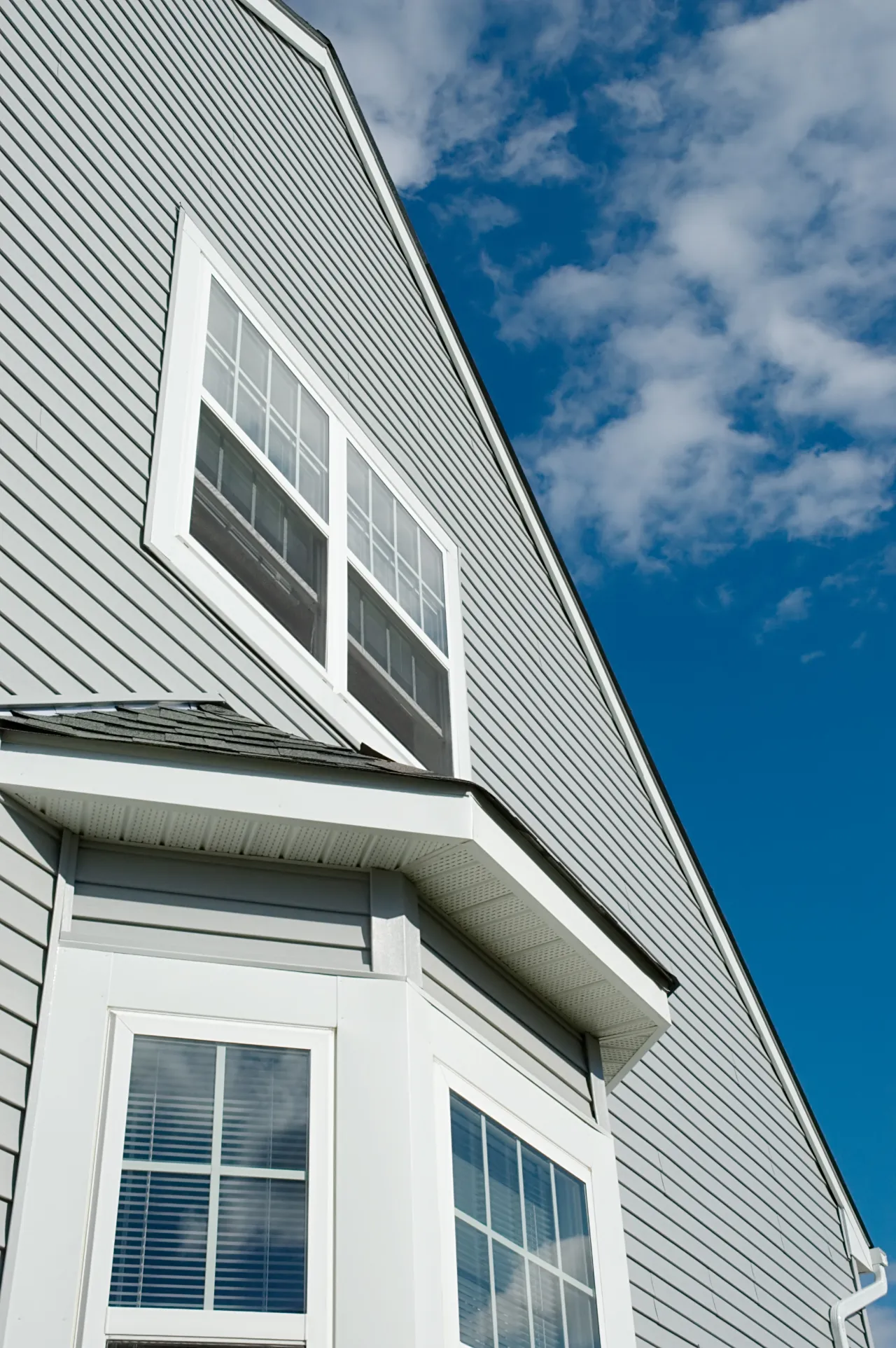
Which One We Would Suggest, Honestly
If the property is a rental, an investment, or somewhere you're leaving within a few years, vinyl is the sensible choice. It's cost effective, it performs, and you won't recover the fiber cement premium on resale in that window.
If you're staying, if the house has architectural character worth respecting, or if the elevation takes real abuse from weather or impact, fiber cement is usually the better long term decision.
If the house is a historic property or sits in a district with design review, the choice may be constrained regardless of preference, and that gets confirmed before anything is ordered.
And a point that matters more than either material: installation quality outweighs the choice. Bad flashing under fiber cement leaks exactly the same as bad flashing under vinyl.
Get Your Siding Estimate in New York
We will walk your elevations, show you both materials side by side, and give you a written itemized estimate with no obligation.
Request Your Free Estimate
No obligation. We respond within 2 hours.