Why Does My Roof Only Leak When the Snow Melts?
Full Article
If water shows up on your ceiling during a thaw but never during a rainstorm, you don't have a shingle problem. You've got an ice dam. It's one of the most common winter roof failures in New York, and it catches people off guard because the roof looks completely fine from the driveway.
Here's what's actually happening up there. Heat escapes from your living space into the attic. That warm air heats the underside of the roof deck, which melts the snow sitting on top of it. The meltwater runs down the slope until it reaches the eave, which hangs over unheated space and stays cold. There it refreezes into a ridge of ice. Every melt cycle after that adds more water behind the ridge, and eventually it backs up under the shingles.
Shingles shed water running downhill. They were never designed to hold back water sitting in a pool. Once it gets behind them it reaches the deck, then the insulation, then your ceiling. That's why the leak shows up in February and vanishes in April.
Why New York Winters Make This Worse
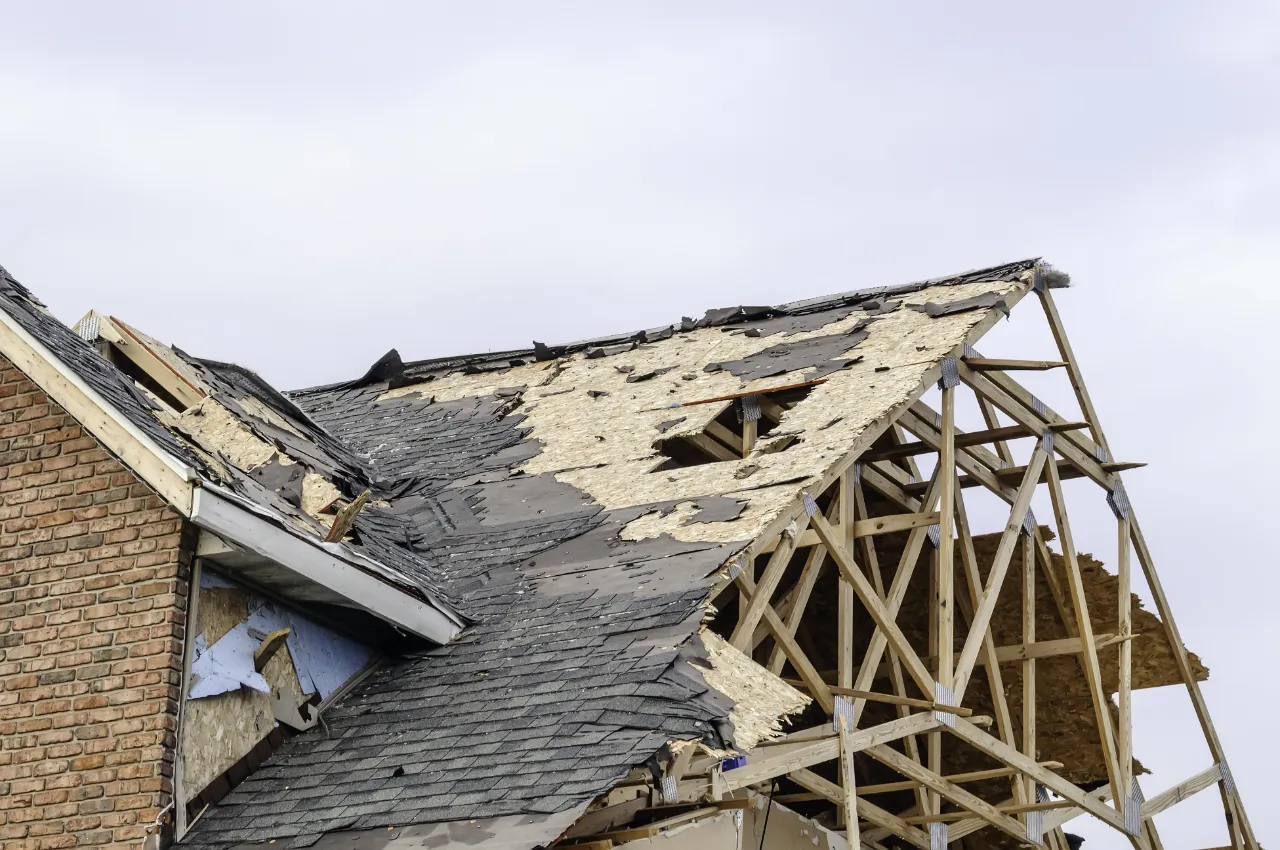
New York gives ice dams everything they need. We get real snow accumulation, then temperatures that swing above and below freezing repeatedly through the same week. That cycle is worse than sustained cold. A roof that stays frozen solid all winter doesn't dam, because nothing melts. A roof that melts every afternoon and refreezes every night builds ice fast.
Shaded roofs make it worse still. A north facing slope under tree cover holds snow for weeks after the sunny side is clear, which stretches the freeze and thaw cycle out even longer. Hillside properties in Rockland and wooded lots in Putnam see this constantly. Older houses add another factor: attic insulation and air sealing were rarely done well before the seventies, so there's more heat reaching the deck than anyone intended.
The Three Things That Actually Fix It
Ice dam correction takes three pieces, and doing one without the other two rarely holds.
First, air sealing. Every gap where warm air leaks into the attic gets sealed. Recessed lights, bath fans, chimney chases, and the top plates of interior walls are the usual offenders. This is the one that matters most, because it addresses the heat itself.
Second, insulation. Once the leaks are sealed, adequate insulation keeps the remaining heat in the house instead of the attic.
Third, ventilation. Intake at the soffit and exhaust at the ridge keep the attic close to outdoor temperature, so the deck stays cold and the snow doesn't melt in the first place. Ridge vents without soffit intake do essentially nothing, and that combination is extremely common.
What Doesn't Fix It
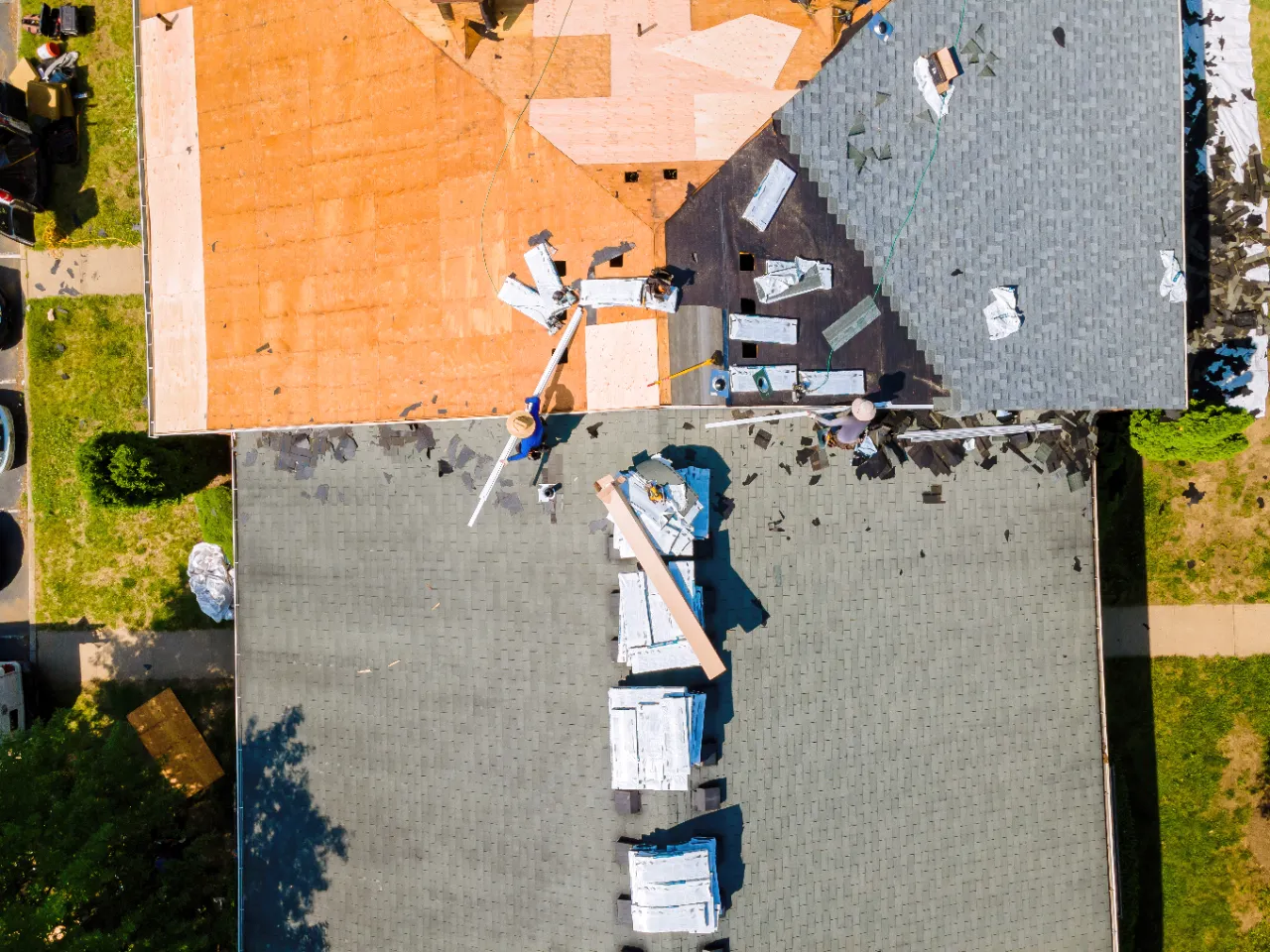
Replacing the shingles doesn't fix an ice dam. Neither does adding a heat cable along the eave, which just melts a channel through the ice while the rest of the dam stays put and keeps building.
Raking snow off the roof after every storm helps temporarily, but it's a chore you'll repeat all winter and it does nothing about the cause.
Ice barrier membrane at the eaves is genuinely useful, and it belongs on every New York roof replacement. But understand what it does: it's a backstop. It keeps water that has already backed up from reaching the deck. It doesn't stop the dam from forming. If your attic keeps leaking heat, you'll still get ice, you'll still get icicles, and eventually water will find a way past even good membrane.
When to Call Somebody
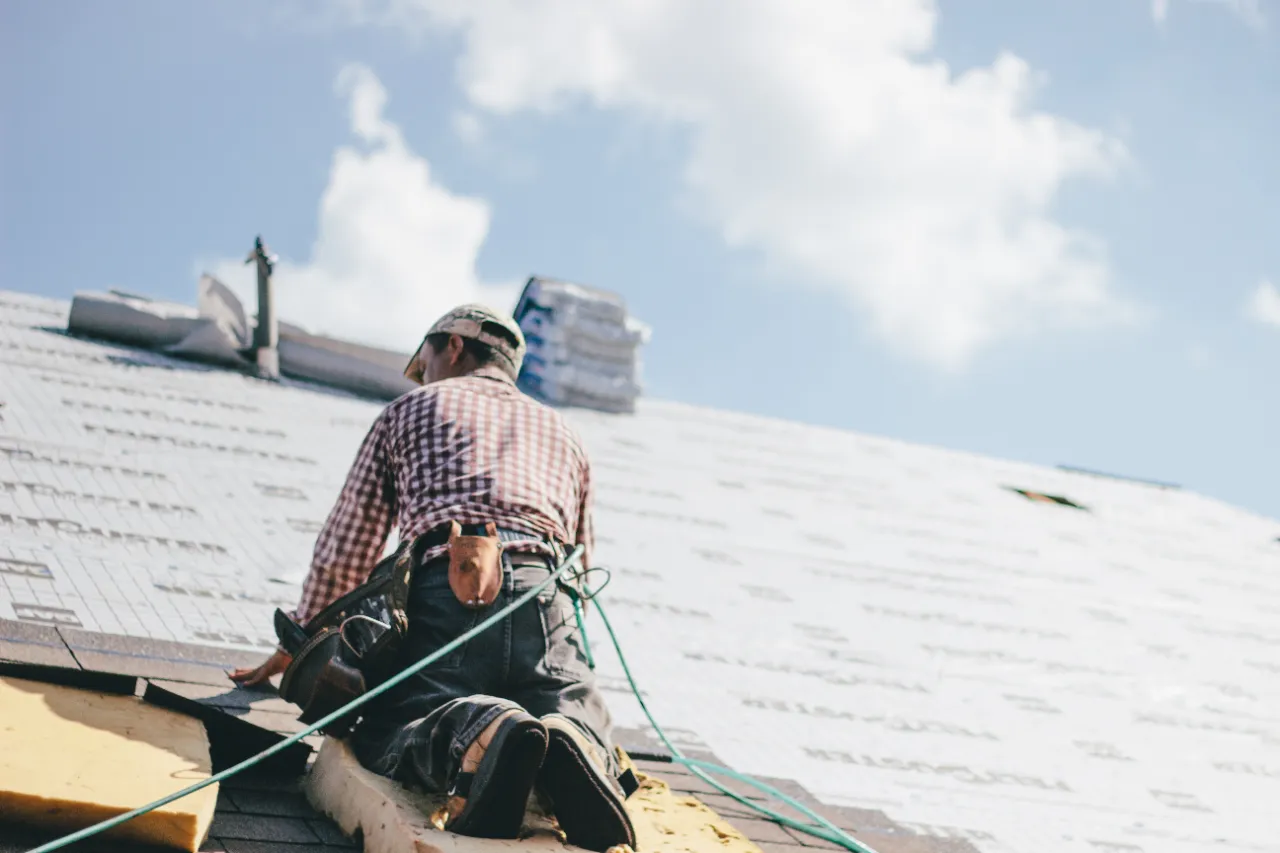
If you've got active dripping, call now rather than waiting for spring. Water sitting against a deck and in insulation does damage that compounds every week it stays wet, and wet insulation stops insulating, which makes the next dam worse.
If you're seeing large icicles along the eave but no interior leak yet, you're on borrowed time. That's a dam forming, and the only reason water hasn't come inside is that it hasn't found a path yet.
An honest assessment starts in the attic, not on the roof. Frost on the underside of the sheathing, compressed insulation, or daylight visible around a chimney chase all tell you where the heat is going before anyone climbs a ladder.

Get Your Ice Dam Assessment in New York
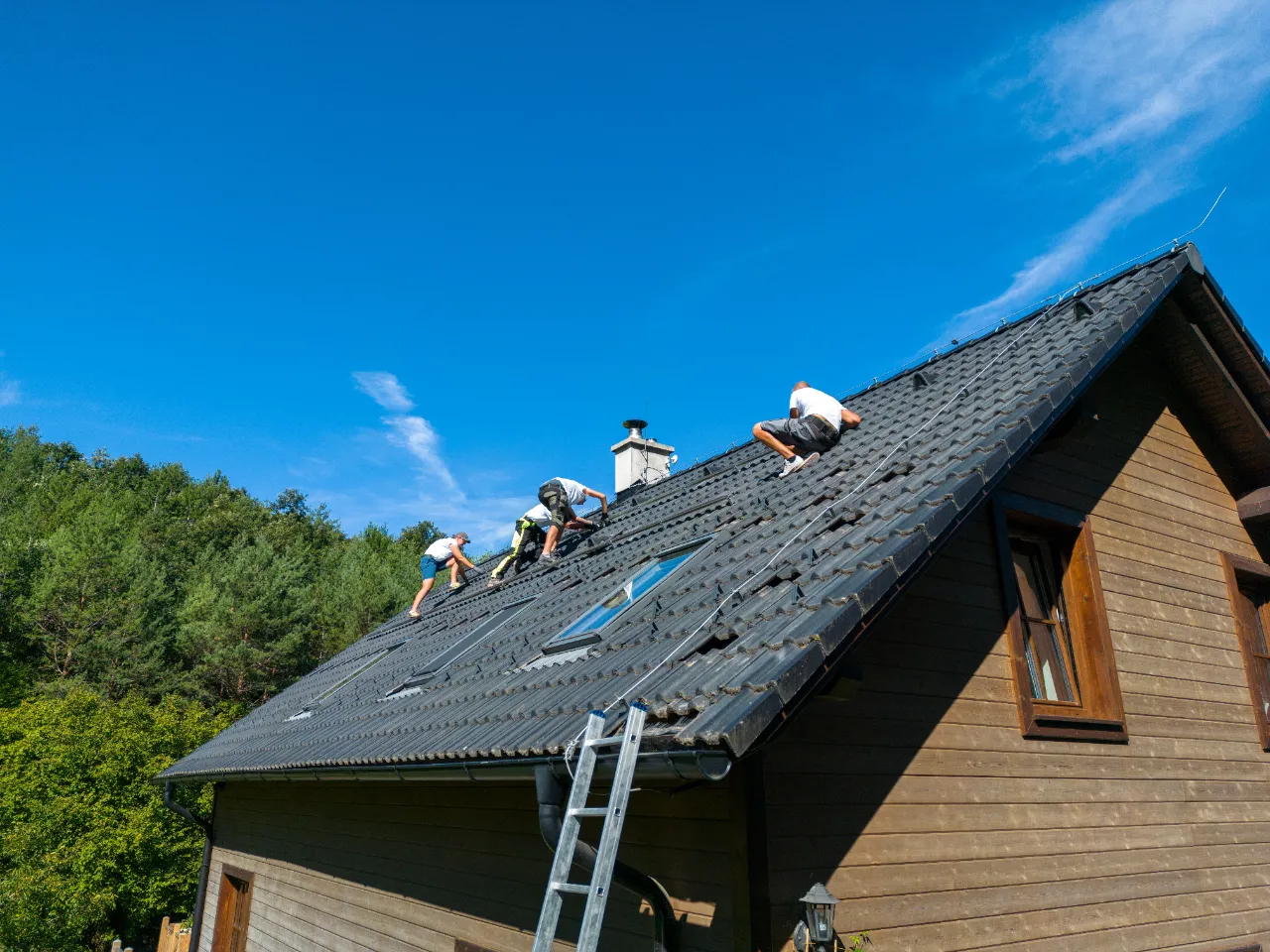
We start in the attic, find where the heat is escaping, and give you a written plan. Free estimate, no obligation.
Request Your Free Estimate
No obligation. We respond within 2 hours.